1. What were the three aspects of the assignments I've submitted that I am most proud of?
Again, I am most proud of my 2 compendium reviews, and my lab project because they are the most time consuming. I really enjoy seeing the results after working so hard on them.
2. What two aspects of my submitted assignments do I believe could have used some improvement?
I probably could have improved my ethical issues essay, and put in more viewpoints on the issue. I also could have been more extensive with my nutrition lab.
3. What do I believe my overall grade should be for this unit?
I believe that this unit went a lot smoother than the last one, and I did pretty well on most of the projects, and didn’t have a problem posting the entire lab, like in the last one…so, I would have to say I am hoping for an A, and believe that in this unit I deserve it.
4. How could I perform better in the next unit?
In my next unit, I need to present more viewpoints on my ethical issues essay. I’ve been tending to just keep it at one or two point of views.
At what moment during this unit did you feel most engaged with the course?
I really enjoyed the section about the circulatory system. It was interesting to learn exactly which organs do which jobs that work together to make us complex human beings.
At what moment unit did you feel most distanced from the course?
I didn’t enjoy all the activities with blood pressure as much as the nutrition activity, and the nutrition compendium review.
What action that anyone (teacher or student) took during this unit that find most affirming and helpful?
I believe that any answered questions from the professor help me through the unit.
What action that anyone (teacher or student) took during this unit did you find most puzzling or confusing?
I thought that this unit was much more straight forward than the last, and I didn’t really feel any confusing during this unit.
What about this unit surprised you the most? (This could be something about your own reactions to the course, something that someone did, or anything else that occurs to you.)
What surprised me most about this unit is how much information I have retained from it. When I hear something on TV, such as a commercial for a medication reducing heart disease, I instantly think of what I have learned from this unit.
Saturday, June 30, 2007

Unit II Lab Project
Introduction:
This lab focuses on three basic metabolic measures: pulse, respiration rate, and blood pressure. Metabolic refers to the complete set of chemical reactions that occur in living cells, allow cells to grow and reproduce, maintain their structures, and respond to their environments. The term pulse refers to the throbbing of the arteries that make a heart beat. A pulse can be taken from the neck, known as the carotid artery, the wrist, known as the radial artery, behind the knee, known as the popliteal artery, and on the inside of the elbow, known as the brachial artery. The term respiration rate refers to the number of breaths a person takes per minute.
Lastly, the term blood pressure refers to the force exerted by circulating blood on the walls of blood vessels. This term also usually refers to blood pressure in larger arteries, known as arterial blood pressure. This pressure is what circulates the blood through arteries, arterioles, capillaries, and veins. Systolic blood pressure is the peak pressure in the arteries, which occurs near the beginning of the cardiac cycle. Diastolic pressure is the lowest pressure at the resting phase of the cardiac cycle.
Hypothesis:
I hypothesized that the “at-rest” metabolic rate will be lower than all the metabolic rates after activity. The three activities I chose was jogging on a treadmill, doing sit-ups on a weight bench, and lifting 10 lb weights. I hypothesized that jogging on a treadmill would give me the highest metabolic measurements, following lifting weights, then lastly doing sit-ups.
PULSE
RESPIRATION RATE
BP SYTOLIC
BP DIASTOLIC
ACTIVITY ONE:
* Jogging
110 bpm
75
120
80
ACTIVITY TWO:
* Lifting weights
100 bpm
60
110
78
ACTIVITY THREE:
* Sit-ups
95 bpm
55
100
75
AT REST:
* Laying in chair
80 bpm
40
115
75
Materials and Methods:
This lab focuses on three basic metabolic measures: pulse, respiration rate, and blood pressure. Metabolic refers to the complete set of chemical reactions that occur in living cells, allow cells to grow and reproduce, maintain their structures, and respond to their environments. The term pulse refers to the throbbing of the arteries that make a heart beat. A pulse can be taken from the neck, known as the carotid artery, the wrist, known as the radial artery, behind the knee, known as the popliteal artery, and on the inside of the elbow, known as the brachial artery. The term respiration rate refers to the number of breaths a person takes per minute.
Lastly, the term blood pressure refers to the force exerted by circulating blood on the walls of blood vessels. This term also usually refers to blood pressure in larger arteries, known as arterial blood pressure. This pressure is what circulates the blood through arteries, arterioles, capillaries, and veins. Systolic blood pressure is the peak pressure in the arteries, which occurs near the beginning of the cardiac cycle. Diastolic pressure is the lowest pressure at the resting phase of the cardiac cycle.
Hypothesis:
I hypothesized that the “at-rest” metabolic rate will be lower than all the metabolic rates after activity. The three activities I chose was jogging on a treadmill, doing sit-ups on a weight bench, and lifting 10 lb weights. I hypothesized that jogging on a treadmill would give me the highest metabolic measurements, following lifting weights, then lastly doing sit-ups.
PULSE
RESPIRATION RATE
BP SYTOLIC
BP DIASTOLIC
ACTIVITY ONE:
* Jogging
110 bpm
75
120
80
ACTIVITY TWO:
* Lifting weights
100 bpm
60
110
78
ACTIVITY THREE:
* Sit-ups
95 bpm
55
100
75
AT REST:
* Laying in chair
80 bpm
40
115
75
Materials and Methods:

This is where I did my “at-rest” metabolic rates

After I did sit-ups, I then recorded my metabolic rates.

After jogging on the treadmill, I then recorded my metabolic rates.

After lifting weights, I then recorded my metabolic rates.

This is the blood pressure machine I used, located in the Wal-Mart Pharmacy

Blood pressure machine in Wal-Mart

This is me getting my blood pressure results
Chart #1 of raw data:
PULSE
RESPIRATION RATE
BP SYTOLIC
BP DIASTOLIC
ACTIVITY ONE:
* Jogging
116
72
121
78
ACTIVITY TWO:
* Lifting weights
95
64
119
77
ACTIVITY THREE:
* Sit-ups
92
59
117
74
AT REST:
* Laying in chair
74
37
114
70
Chart #2 of raw data:
PULSE
RESPIRATION RATE
BP SYTOLIC
BP DIASTOLIC
ACTIVITY ONE:
* Jogging
112
68
119
76
ACTIVITY TWO:
* Lifting weights
91
61
116
74
ACTIVITY THREE:
* Sit-ups
89
56
115
71
AT REST:
* Laying in chair
71
34
113
67
Chart #3 of raw data:
PULSE
RESPIRATION RATE
BP SYTOLIC
BP DIASTOLIC
ACTIVITY ONE:
* Jogging
111
67
116
75
ACTIVITY TWO:
* Lifting weights
90
59
115
72
ACTIVITY THREE:
* Sit-ups
87
55
111
70
AT REST:
* Laying in chair
70
32
112
64
Chart #1 of mean data:
PULSE
RESPIRATION RATE
BP SYTOLIC
BP DIASTOLIC
ACTIVITY ONE:
* Jogging
113
69
118.67
76.33
ACTIVITY TWO:
* Lifting weights
92
61.33
116.67
74.33
ACTIVITY THREE:
* Sit-ups
89.33
56.67
114.33
71.67
AT REST:
* Laying in chair
71.67
34.33
113
67
Analysis of my data:
Series 1 : Pulse ; Series 2 : Respiration rate ; Series 3 : Systolic blood pressure ; Series 4 : Diastolic blood pressure.
Series 1 : Pulse ; Series 2 : Respiration rate ; Series 3 : Systolic blood pressure ; Series 4 : Diastolic blood pressure.
My hypothesis was correct about the “at-rest” metabolic rate will be lower than all the metabolic rates after activity. I was also correct in hypothesizing that jogging on a treadmill would give me the highest metabolic measurements, following lifting weights, and lastly doing sit-ups.
Problems with data or technique:
One of the problems that could have occurred when recording my data, was doing all the trials one right after the other. This could have changed my pulse, and make it decrease because my body could be used to the activity after three times of doing it, and not have to work as hard.
Conclusion:
According to the data I found, harder activities such as running or jogging can increase your pulse and respiration rate, which can increase the strength of your heart, and make you at less risk for cardiovascular disease. Also according to the data I found, stationary activities such as sitting in a chair may be relaxing, but don’t challenge your body or keep it active, which keeps your immune system healthy, as well as prevents diseases and illnesses.
Tuesday, June 26, 2007
Ethical Issues Essay #1 (Unit II)
Title: “Obesity: Fast food restaurant’s fault, or consumers?”
Most people become obese because of the types of food they choose to consume, or do they? Fast food restaurants such as McDonald’s and Burger King are extremely accessible to millions of Americans. When the majority of Americans have demanding job schedules, along with other responsibilities, such as raising children, it can be hard to find fast food that is healthy. People ultimately have to choose to eat what fits into their schedule, such as fast food burgers and fries, or not eat until they are able to cook a healthy meal. This fast food frenzy has made millions of Americans suffer from illnesses like obesity, which can lead to cardiovascular disease, along with other life-threatening illnesses.
Along with time constraints, another thing consumers can’t avoid is the fast food portion control. The size of a large fry and soda for example have constantly increased, insisting people will get more food for their money. Although this slogan may sound good, the only thing most Americans are getting are many illnesses due to the high-fat ingredients which they serve their meals with. Yes, you will get more food for you money, but doesn’t a doctor’s visit for high cholesterol and heart attacks out-weight that benefit? If fast food chains could work together on not only making their meals quick and accessible, but also providing healthier ingredients in their products, this could help out millions of Americans. Adding healthier ingredients at a bit higher cost would significantly minimize greater costs in the future.
Most people become obese because of the types of food they choose to consume, or do they? Fast food restaurants such as McDonald’s and Burger King are extremely accessible to millions of Americans. When the majority of Americans have demanding job schedules, along with other responsibilities, such as raising children, it can be hard to find fast food that is healthy. People ultimately have to choose to eat what fits into their schedule, such as fast food burgers and fries, or not eat until they are able to cook a healthy meal. This fast food frenzy has made millions of Americans suffer from illnesses like obesity, which can lead to cardiovascular disease, along with other life-threatening illnesses.
Along with time constraints, another thing consumers can’t avoid is the fast food portion control. The size of a large fry and soda for example have constantly increased, insisting people will get more food for their money. Although this slogan may sound good, the only thing most Americans are getting are many illnesses due to the high-fat ingredients which they serve their meals with. Yes, you will get more food for you money, but doesn’t a doctor’s visit for high cholesterol and heart attacks out-weight that benefit? If fast food chains could work together on not only making their meals quick and accessible, but also providing healthier ingredients in their products, this could help out millions of Americans. Adding healthier ingredients at a bit higher cost would significantly minimize greater costs in the future.
Blood pressure lab
Q #1 :State a problem about the relationship of age and gender to blood pressure.
A #1: One problem is that everyone is different, and it may not be sufficient enough to just compare age and gender to blood pressure.
Q #2 :Use your knowledge about the heart and the circulatory system to make a hypothesis about how the average blood pressure for a group of people would be affected by manipulating the age and gender of the group members.
A #2 : First of all the heart is usually stronger in more active adults. Being active usually occurs more in young adults, because they have more time and energy to do activities. This would then make the age of an adult important because in healthy adults, the younger you are, the better your blood pressure will be. When it comes to gender, males may tend to be more active, especially in competitive sports as young adults. On the other hand, females may eat healthier, and activity or health can bring a better blood pressure.
Q # 3: How will you use the investigation screen to test your hypothesis? What steps will you follow? What data will you record?
A # 3 : By using the investigation screen I can test my hypothesis, that women will have a better blood pressure than men based on healthier eating habits. I will first compare the women, and then change the screen to the men, and record their systolic and diastolic blood pressures.
Table:
Age Male systolic Male diastolic Female systolic Female diastolic
11-17 118 77 117 77
18-24 130 81 117 75
25-34 131 81 117 77
35-44 129 81 122 78
45-54 134 85 127 76
Q #4: Analyze the result of your experiment. Explain any patterns you observed.
A # 4: Just as I hypothesized, women had a lower blood pressure on average than men. The pattern in the male diastolic pressure stayed about the same from age 18-44. The pattern in female systolic stayed the same from age 11-34.
Q #5 : Did the result of your experiment support your hypothesis? Why or why not? Based on your experiment what conclusion can you draw about the relationship of age and gender to group blood pressure averages?
A #5 : Yes, my hypothesis that females on average would have lower blood pressures than males, and that as females age they would have lower blood pressures was supported in this experiment. Based on this experiment we could assume that young females will, on average, have a lower blood pressure than young males, and older females, on average, will have a lower blood pressure than older males.
Q # 6 : During the course of your experiment, did you obtain any blood pressure reading that were outside of the normal range for the group being tested? What did you notice on the medical charts for these individuals that might explain their high reading?
A # 6 : When there was an abstract blood pressure reading, most of the time the individual had either a family history of hypertension or a high-salt diet. These things could directly explain high blood pressure for some individuals. Others had lack or exercise and alcohol consumption, but they didn't affect the scores quite as much as a history of hypertension.
Q # 7 : List risk factors associated with the hypertension. Based on your observation, which risk factor do you think is most closely associated with hypertension?
A # 7 : Some of the risk factors for hypertension are a high-salt diet, lack or exercise, and alcohol consumption. All these things can lead to hypertension. I think that a high-salt diet is probably one the most closely associated with hypertension.
Q # 8 : What effect might obesity have on blood pressure? Does obesity alone cause a person to be at risk for high blood pressure? What other factors, in combination with obesity, might increase a person's risk for high blood pressure?
A #8: Obesity can have a huge effect on blood pressure. First of all, a person's heart who is obese is working twice as hard to circulate blood throughout their system. This alone can cause a person to be at a high risk for high blood pressure. Because obesity causes a string of others diseases and problems such as cardiovascular disease, any of these problems due to obesity can make a person's high blood pressure risk increase.
A #1: One problem is that everyone is different, and it may not be sufficient enough to just compare age and gender to blood pressure.
Q #2 :Use your knowledge about the heart and the circulatory system to make a hypothesis about how the average blood pressure for a group of people would be affected by manipulating the age and gender of the group members.
A #2 : First of all the heart is usually stronger in more active adults. Being active usually occurs more in young adults, because they have more time and energy to do activities. This would then make the age of an adult important because in healthy adults, the younger you are, the better your blood pressure will be. When it comes to gender, males may tend to be more active, especially in competitive sports as young adults. On the other hand, females may eat healthier, and activity or health can bring a better blood pressure.
Q # 3: How will you use the investigation screen to test your hypothesis? What steps will you follow? What data will you record?
A # 3 : By using the investigation screen I can test my hypothesis, that women will have a better blood pressure than men based on healthier eating habits. I will first compare the women, and then change the screen to the men, and record their systolic and diastolic blood pressures.
Table:
Age Male systolic Male diastolic Female systolic Female diastolic
11-17 118 77 117 77
18-24 130 81 117 75
25-34 131 81 117 77
35-44 129 81 122 78
45-54 134 85 127 76
Q #4: Analyze the result of your experiment. Explain any patterns you observed.
A # 4: Just as I hypothesized, women had a lower blood pressure on average than men. The pattern in the male diastolic pressure stayed about the same from age 18-44. The pattern in female systolic stayed the same from age 11-34.
Q #5 : Did the result of your experiment support your hypothesis? Why or why not? Based on your experiment what conclusion can you draw about the relationship of age and gender to group blood pressure averages?
A #5 : Yes, my hypothesis that females on average would have lower blood pressures than males, and that as females age they would have lower blood pressures was supported in this experiment. Based on this experiment we could assume that young females will, on average, have a lower blood pressure than young males, and older females, on average, will have a lower blood pressure than older males.
Q # 6 : During the course of your experiment, did you obtain any blood pressure reading that were outside of the normal range for the group being tested? What did you notice on the medical charts for these individuals that might explain their high reading?
A # 6 : When there was an abstract blood pressure reading, most of the time the individual had either a family history of hypertension or a high-salt diet. These things could directly explain high blood pressure for some individuals. Others had lack or exercise and alcohol consumption, but they didn't affect the scores quite as much as a history of hypertension.
Q # 7 : List risk factors associated with the hypertension. Based on your observation, which risk factor do you think is most closely associated with hypertension?
A # 7 : Some of the risk factors for hypertension are a high-salt diet, lack or exercise, and alcohol consumption. All these things can lead to hypertension. I think that a high-salt diet is probably one the most closely associated with hypertension.
Q # 8 : What effect might obesity have on blood pressure? Does obesity alone cause a person to be at risk for high blood pressure? What other factors, in combination with obesity, might increase a person's risk for high blood pressure?
A #8: Obesity can have a huge effect on blood pressure. First of all, a person's heart who is obese is working twice as hard to circulate blood throughout their system. This alone can cause a person to be at a high risk for high blood pressure. Because obesity causes a string of others diseases and problems such as cardiovascular disease, any of these problems due to obesity can make a person's high blood pressure risk increase.
Compendium review #2 (Unit II)
Glucose, diffusion and diabetes:
In order to get nutrients to cells, cells must obtain and use glucose (Frolich pg.1). As discussed in the previous topic, our cells need oxygen for cell respiration in order to make ATP, which is used to power all the reactions of a cell’s metabolism (Frolich pg.1). Therefore, glucose is the product that gets burned or combined with oxygen in the cellular respiration process (Frolich pg.1). The main processes that make ATP with glucose as a principle reactant are glycolysis and the Kreb’s cycle (Frolich pg.1).
First, glucose diffuses through a special protein pore on the cell membrane (Frolich pg.1). After this process, insulin is the protein which is secreted by the pancreas into the blood (Frolich pg.1). This process usually occurs after eating a meal (Frolich pg.1). Insulin is responsible for stimulating the cells in order for them to take up glucose and store it as glycogen, or use it in cellular metabolism (Frolich pg.1).
Glycolysis is considered the metabolic pathway by which a 6-carbon glucose molecule is oxidized by two molecules of pyruvic acid (Mader). This process allows the generation of high-energy molecules such as ATP used as cellular energy (Mader). This energy acts as sources for anaerobic and aerobic respiration (Mader).
In order to get nutrients to cells, cells must obtain and use glucose (Frolich pg.1). As discussed in the previous topic, our cells need oxygen for cell respiration in order to make ATP, which is used to power all the reactions of a cell’s metabolism (Frolich pg.1). Therefore, glucose is the product that gets burned or combined with oxygen in the cellular respiration process (Frolich pg.1). The main processes that make ATP with glucose as a principle reactant are glycolysis and the Kreb’s cycle (Frolich pg.1).
First, glucose diffuses through a special protein pore on the cell membrane (Frolich pg.1). After this process, insulin is the protein which is secreted by the pancreas into the blood (Frolich pg.1). This process usually occurs after eating a meal (Frolich pg.1). Insulin is responsible for stimulating the cells in order for them to take up glucose and store it as glycogen, or use it in cellular metabolism (Frolich pg.1).
Glycolysis is considered the metabolic pathway by which a 6-carbon glucose molecule is oxidized by two molecules of pyruvic acid (Mader). This process allows the generation of high-energy molecules such as ATP used as cellular energy (Mader). This energy acts as sources for anaerobic and aerobic respiration (Mader).

The Kreb’s cycle, also known as the citric acid cycle, is very important in all living cells (Mader). This cycle is a series of enzyme-catalysed chemical reactions that use oxygen as part of cellular respiration (Mader). In aerobic organisms, the Kreb’s cycle is part of a metabolic pathway involved in the chemical conversion of carbs, fats, and proteins into carbon dioxide and water (Mader). These conversions result in usable energy for a cell (Mader). The citric acid cycle also provides precursors for many compounds, and some of its reactions are needed even in cells performing fermentation (Mader).

Every human body needs more than just sugar in order to live (Frolich pg.1). Though our body produces many things that make our body run smoothly, one thing that it doesn’t produce is essential amino acids (Frolich pg.1). These essential amino acids are needed in order to make proteins in our body (Frolich pg.1). Essential amino acids can come from different food sources, vitamins or minerals (Frolich pg.1). In fact humans can only produce half (10 out of 20) of essential amino acids (University). Failure to obtain enough of even 1 of the 10 essential amino acids can result in degradation of the body’s proteins and muscles (University). This is so important because, unlike fat and starch, the human body can’t store an excess of amino acids for later use, and must be in the food we eat every day (University). The 10 amino acids that we can’t produce are arginine, histidine, isoleucine, leucine, lysine, methionine, phenylalanine, threonine, tryptophan, and valine (University).

Diabetes is a metabolic disorder that is characterized by hyperglycemia (Mader). Hyperglycemia is high blood sugar, and is just one of the signs of diabetes (Mader). The World Health Organization recognizes three main form of diabetes (World). These types include Type 1, Type 2, and gestational diabetes, which occurs only during pregnancy (World). All forms of diabetes are due to the beta cells of the pancreas being unable to produce a sufficient amount of insulin in order to prevent hyperglycemia (World).
Type 1 diabetes usually occurs because of the autoimmune destruction of the pancreas beta cells that produce insulin (World). Type 2 is characterized by tissue-wide insulin resistance, and can sometimes progress because of the loss of beta cell function (World). Similar to Type 2 diabetes, gestational diabetes occurs when the hormones of pregnancy cause insulin resistance in women who are genetically predisposed to developing this condition (World).
Unfortunately Type 1 and type 2 diabetes are incurable chronic conditions (World). Although this is true there are insulin treatments that became medically available in 1921 (World). Today, these treatments are usually managed with a combination of dietary treatment, tablets, and insulin supplementation (World). Fortunately, gestational diabetes is usually resolved upon delivery of a child (World).

 The digestive system includes a series of hollow organs that lead from the mouth to the anus (National). In the inside of the mouth, stomach and small intestine is a lining called mucosa (National). Mucosa helps digest food through tiny glands that produce digestive juices (National). The liver and the pancreas are what produce digestive juices that are needed in the intestines (National).
Digestion is especially important because, when we eat food, they aren’t initially in a form that the body can use as nourishment (National). Our food and drinks have to be changed to smaller molecules of nutrients before they can be absorbed into the bloodstream and carried to cells throughout the body (National). The actual process of digestion is when food and drink are broken down into their smallest parts so the body can use them to build and nourish cells and provide energy for the body (National). Digestion involves the mixing of food, its movement through the digestive tract, and the chemical breakdown of large molecules of food into smaller molecules (National). Digestion begins in the mouth, when we chew and swallow, and is completed in the small intestine. The chemical process also slightly varies for different kinds of food (National). The large, hollow organs of the digestive system contain muscle that enables their walls to move. The movement of organ walls can push food and liquid and also mix the contents of each organ.
Type 1 diabetes usually occurs because of the autoimmune destruction of the pancreas beta cells that produce insulin (World). Type 2 is characterized by tissue-wide insulin resistance, and can sometimes progress because of the loss of beta cell function (World). Similar to Type 2 diabetes, gestational diabetes occurs when the hormones of pregnancy cause insulin resistance in women who are genetically predisposed to developing this condition (World).
Unfortunately Type 1 and type 2 diabetes are incurable chronic conditions (World). Although this is true there are insulin treatments that became medically available in 1921 (World). Today, these treatments are usually managed with a combination of dietary treatment, tablets, and insulin supplementation (World). Fortunately, gestational diabetes is usually resolved upon delivery of a child (World).
This disorder can also cause many complications, sometimes acute, and others severe (World). Some of the acute complications include hypoglycemia, ketoacidosis, and nonketotic hyperosmolar coma (World). Some of the long-term complications include cardiovascular disease, which diabetics are twice as like to get, retinal damage that can lead to blindness, and chronic renal failure (World). Other complications include nerve damage, erectile dysfunction, micro-vascular damage, and poor healing of wounds (World).
Digestion:
Digestion is simply the process of metabolism whereby a biological entity processes a substance chemically and mechanically converts a substance for the body to use (Mader). During this process nutrients enter the body in the form of food (Frolich pg.2). These nutrients diffuse across the wall of your gut and into the blood, and travel through the bloodstream, and eventually diffuse into the cells (Frolich pg.2).
The digestive system includes a series of hollow organs that lead from the mouth to the anus (National). In the inside of the mouth, stomach and small intestine is a lining called mucosa (National). Mucosa helps digest food through tiny glands that produce digestive juices (National). The liver and the pancreas are what produce digestive juices that are needed in the intestines (National).Digestion is especially important because, when we eat food, they aren’t initially in a form that the body can use as nourishment (National). Our food and drinks have to be changed to smaller molecules of nutrients before they can be absorbed into the bloodstream and carried to cells throughout the body (National). The actual process of digestion is when food and drink are broken down into their smallest parts so the body can use them to build and nourish cells and provide energy for the body (National). Digestion involves the mixing of food, its movement through the digestive tract, and the chemical breakdown of large molecules of food into smaller molecules (National). Digestion begins in the mouth, when we chew and swallow, and is completed in the small intestine. The chemical process also slightly varies for different kinds of food (National). The large, hollow organs of the digestive system contain muscle that enables their walls to move. The movement of organ walls can push food and liquid and also mix the contents of each organ.
Movement of the esophagus, stomach, and intestine is called peristalsis (National). The muscle of the organ produces a narrowing and then pushes the narrowed portion slowly down the length of the organ (National). These waves of narrowing push the food and fluid in front of them through each hollow organ (National).
Next, the first major muscle movement occurs when food or liquid is swallowed. Although we are able to start swallowing by choice, once the swallowing process begins, it becomes involuntary and proceeds under the control of the nerves (National). Then the esophagus is the organ into which the swallowed food is pushed (National). At the junction of the esophagus and stomach, there is a ring-like valve closing the passage between the two organs. However, as the food approaches the closed ring, the surrounding muscles relax and allow the food to pass (National).
The food is now able to enter the stomach (National). The stomach is responsible for three mechanical tasks (National). The first task of the stomach includes storage of the swallowed food and liquid (National). This requires that muscle of the upper part of the stomach to relax and accumulate large volumes of swallowed material (National). The next job of the stomach is to mix up the food, liquid and digestive juices into a mixture known as chyme (National). The lower part of the stomach is responsible for mixing these materials by muscle action (National). The third responsibility of the stomach is to empty its contents into the small intestine in order for waste removal (National).
Next, the first major muscle movement occurs when food or liquid is swallowed. Although we are able to start swallowing by choice, once the swallowing process begins, it becomes involuntary and proceeds under the control of the nerves (National). Then the esophagus is the organ into which the swallowed food is pushed (National). At the junction of the esophagus and stomach, there is a ring-like valve closing the passage between the two organs. However, as the food approaches the closed ring, the surrounding muscles relax and allow the food to pass (National).
The food is now able to enter the stomach (National). The stomach is responsible for three mechanical tasks (National). The first task of the stomach includes storage of the swallowed food and liquid (National). This requires that muscle of the upper part of the stomach to relax and accumulate large volumes of swallowed material (National). The next job of the stomach is to mix up the food, liquid and digestive juices into a mixture known as chyme (National). The lower part of the stomach is responsible for mixing these materials by muscle action (National). The third responsibility of the stomach is to empty its contents into the small intestine in order for waste removal (National).

Food is then digested in the small intestine and dissolved into the juices produced by the pancreas, liver and intestine (National). The contents of the intestine are then mixed and pushed forward to allow for further digestion (National). In the last process, all the digested nutrients are absorbed through the intestinal walls (National). The waste products of this process include anything from undigested parts of food (fiber), and older cells that have been shed from the mucosa (National). All of these materials combine and end up in the colon and stay for approximately one or two days before the feces are secreted (National). This entire complicated process is known as digestion.
Nutrition and diet:
Nutrition includes all the good parts we get from the food that we consume (Unicef). Diet is the sum of food consumed by an organism or group (Unicef). Eating the right foods that are nutritious, and maintaining a healthy diet are ways to improve and sustain life. Food is made up of several different types of nutrients that contribute to nutritious food (Unicef). These nutrients include carbohydrates, fats, proteins, vitamins, minerals and water (Unicef).
The macronutrients carbohydrates, fats, and proteins are the most important is sustaining life (McKinley). Macronutrients are what provide calories or energy for the body (McKinley). Nutrients are needed for growth, metabolism, and many other body functions (McKinley). The term ‘macro’ means large in which means these nutrients are needed in large amounts (McKinley). Each macronutrient provide a different amount of calories needed for the body (McKinley). Carbohydrates and protein provide 4 calories per gram while fat provides 9 calories per gram (McKinley).
Carbohydrates are the macronutrient that we need in the largest amount (McKinley). According to the Dietary Reference Intake, 45-65% of calories should come from carbohydrates (McKinley). This is the reason why it is so important not to go on low carb diets, because they are so important to many bodily functions (McKinley). Carbohydrates are the body’s main source of fuel, and are easily used by the body for energy (McKinley). All of the tissues and cells in our body can use glucose for energy, and carbohydrates are needed by the central nervous system (McKinley). The kidneys, brain, muscles and the heart all need carbohydrates in order to function properly (McKinley). Carbohydrates can be stored in the muscles as glycogen, or in the liver and later used for energy (McKinley). Carbohydrates are also important in intestinal health and waste elimination (McKinley). Carbohydrates are mainly found in starchy foods such as potatoes or grains, but can also be found in fruits, milk, and yogurt (McKinley). Foods such as veggies, beans, nuts, cottage cheese, and seeds also contain carbohydrates but in smaller amounts (McKinley).

 Protein is another macronutrient important to survival (McKinley). According to the Dietary Reference Intake, about 10-35% of calories should come from protein (McKinley). Protein is usually found in meats, poultry, fish, cheese, milk, nuts, and legumes (McKinley). Proteins are responsible for growth, tissue repair, immune function, making essential hormones and enzymes, providing energy when carbohydrates are not available and preserving lean muscle mass (McKinley). When we eat foods that contain protein, our body breaks it down into amino acids (McKinley). Protein that come from animal sources contain all the essential amino acids that our body cannot produce, and this is why sometimes it is hard to be a healthy vegetarian (McKinley).
Lastly, some fat is essential for survival (McKinley). Fats normally have a bad reputation for causing weight gain, but are still important in order to live (McKinley). Again, according to the Dietary Reference Intake, 20-35% of calories should come from fat (McKinley). Fat is responsible for normal growth and development (McKinley). Fat is also the most concentrated source of energy (McKinley). Fat is also important in absorbing certain vitamins such as A, D, E and K which provide a different responsibility in the overall function of our body (McKinley). Fat also provides a cushion for organs, maintains cell membranes, and provides taste, consistency and stability to foods (McKinley). Fat is found in many foods such as poultry, meat, nuts, milk products, oils, lard, butter, margarine, fish, salad dressings, and grain products (McKinley). There are also three main types of fat, including saturated, unsaturated, and trans fat (McKinley). Saturated fat is found in foods such as meat, butter, lard and cream, whereas trans fat is found in baked goods, snack and fried foods, and margarine (McKinley). Unsaturated fat is the ‘good’ fat of the three, and is usually found in olive oil, avocados, nuts and canola oil (McKinley). Unsaturated fat has even been shown to reduce the risk of having a heart attack (McKinley).

Macronutrients are important for survival, but micronutrients are just as important (McKinley). Micronutrients are nutrients that our bodies need in smaller amounts (McKinley). These micronutrients include vitamins, and minerals (McKinley). Our bodies also need water for survival; approximately 6-8 glasses a day (McKinley). Vitamins and minerals are essential to human health, but do not give you energy (McKinley). Although they do not give you energy, they assist in energy-yielding reactions and promote body growth and development (McKinley). Each vitamin and mineral plays a different role in each function of the body, and together keeps us alive (McKinley).

If all these nutrients are not consumed, our body becomes malnourished (Unicef). If a person suffers from malnutrition they can be more likely to obtain diseases, and it can also affect different functions of the body such as the brain, eyesight, organs, height, weight, and the formation of body parts (Unicef). Many problems with malnutrition can occur due to the lack of vitamins, minerals, and clean drinking water (Unicef). When a person lacks vitamins and minerals, they suffer from micronutrient malnutrition (Unicef). Malnutrition occurs most frequently in underdeveloped countries, and it is believed that nearly one third of children in developing countries are malnourished (Unicef). In the developing stages of life, breast milk can be a vital source of micronutrients for growing babies, but sometimes an improved diet for an adult can be unattainable (Unicef).
Remember food? :
Food not only brings long-term health to our lives, but can bring a spiritual and cultural base back into our diet (Frolich pg.3). Food can also bring long-term health into farming and agricultural ecosystems (Frolich pg.3). Though internally humans are very similar, cultures can change people decision on the types of foods they consume. In the United States, our foods may be primarily imported (Frolich pg.3). Different cultures, and even different homes vary on what individuals consume (Frolich pg.3). Some cultures provide more home-cooking with local fresh ingredients from a garden, rather than from a grocery store like many in the U.S. (Frolich pg.3).
Nowadays food is usually found and produced in factories, instead of farmed (Frolich pg.3). Unfortunately this type of produce is not concerned about long-term health issues of consumers, or long-term productivity of the land (Frolich pg.3). Factory production only has to follow government regulations, not local ones, and many people in the U.S. don’t even know where their food comes from, or where it is raised (Frolich pg.3).

Frolich, Larry. “Food Nutrition powerpoint” pg.1-5
Mader, Sylvia. “Human Biology 10th edition”. 2008
McKinley Health Center. “Macronutrients” http://www.mhc.uiuc.edu/Handouts/macronutrients.htm . 2007
National Digestive Diseases Information Clearinghouse. “Digestive system” http://digestive.niddk.nih.gov/ddiseases/pubs/yrdd/
UNICEF New Zealand “What is nutrition?”. 2007
World Health Organization. http://www.who.int/en/. 2007
Picture citations:
Glycolosis - http://staff.jccc.net/PDECELL/cellresp/glycolysis.gif
Krebs cycle - http://www.ithaca.edu/faculty/pmelcher/krebs_cycle.gif
Amino acid chart - http://www.geisswerks.com/ryan/veg/veggie_guide_files/image002.gif
Digestion - http://www.med.miami.edu/med/gastroenterology/images/digestion_med.jpg
Type II diabetes - http://www.soylabs.com/img/diabetes_type2.jpg
Digestive system II - http://www.amwa-doc.org/images/digestive.jpg
Complex carbohydrates - http://www.nlm.nih.gov/medlineplus/ency/images/ency/fullsize/19529.jpg
Fiber - http://medicineworld.org/images/blogs/fiber-diet-761055.jpg
Protein - http://www.drpbody.com/images/meatpoultryfish.gif
Saturated fat - http://www.nlm.nih.gov/medlineplus/ency/images/ency/fullsize/19513.jpg
Vitamins - http://schoolclub.taps-nodes.co.za/printable/images/food_table.gif
Food factories - http://businessnetwork.theage.com.au/verve/_resources/430_biznet_nov18.jpg
Thursday, June 21, 2007
Compendium Review #1 (Unit II)
Cellular respiration and oxygen:
Breathing seems like a simple process to all human beings. In reality there is a complicated network inside of our bodies that keeps us alive by keeping it full of oxygen. In order for an organism to breathe, it has to go through a process known as respiration (Mader). This is when oxygen flows into the body, and carbon dioxide is released (Unknown). This oxygen flow goes from the lungs, lead into the bloodstream, and then into the cells (Mader).
Breathing seems like a simple process to all human beings. In reality there is a complicated network inside of our bodies that keeps us alive by keeping it full of oxygen. In order for an organism to breathe, it has to go through a process known as respiration (Mader). This is when oxygen flows into the body, and carbon dioxide is released (Unknown). This oxygen flow goes from the lungs, lead into the bloodstream, and then into the cells (Mader).


Also, microbes, fungi, and plants obtain oxygen by cellular respiration, which occurs because of the direct diffusion through their surfaces (Unknown). Diffusion into the blood refers to oxygen passing through a moist layer of cells on the surface of the body (Unknown). After that, it passes through capillary walls, and into the bloodstream (Unknown). This is considered a little more advanced than direct diffusion, and segmented worms, and amphibians use this type of respiration (Unknown).


When it comes to insects and humans, they also have different types of respiration. Insects use tracheal respiration, which involves air moving through openings in the surface of the body known as spiracles (Unknown). The trachea is divided into many smaller branches that are in contact with muscles and organs (Unknown). In larger insects, their body movements assist their tracheal air movement (Unknown). Humans and mammals on the other hand undergo a much more complicated process (Unknown). Lungs are the special organs composed of many chambers filled with blood capillaries that help us breathe. After air enters the lungs, oxygen is diffused into the blood stream through the wall of the blood capillaries (Unknown). After flowing through the capillaries in the lungs, it moves to different muscles and organs in the body (Unknown).


Cardiovascular system and blood:
The cardiovascular system consists of the heart, arteries, veins and capillaries (Unknown 2). The cardiovascular system is also known as the circulatory system, in which blood is pumped by the heart around a circle of vessels, and passes through different parts of the body (Unknown 2).
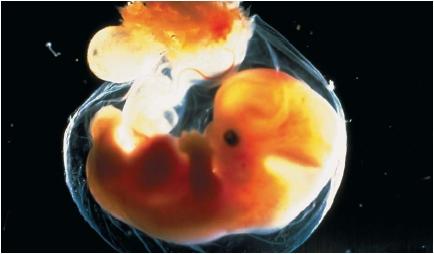
When it comes to the survival of embryos, they depend on the circulation of blood that maintains homeostasis (Unknown 2). The cardiovascular system appears early in development, and reaches a functional state long before any other major organ system (Unknown 2). The heart begins to beat regularly within the forth week following fertilization (Unknown 2).
The cardiovascular system consists of the heart, arteries, veins and capillaries (Unknown 2). The cardiovascular system is also known as the circulatory system, in which blood is pumped by the heart around a circle of vessels, and passes through different parts of the body (Unknown 2).
When it comes to the survival of embryos, they depend on the circulation of blood that maintains homeostasis (Unknown 2). The cardiovascular system appears early in development, and reaches a functional state long before any other major organ system (Unknown 2). The heart begins to beat regularly within the forth week following fertilization (Unknown 2).

One of the most important roles the cardiovascular system has is maintaining homeostasis (Unknown 2). Homeostasis depends on the continuous and controlled movement of blood through the capillaries that permeate every tissue and reach every cell in the body (Unknown 2). Other numerous control mechanisms help regulate and integrate functions in the cardiovascular system in order to supply blood to specific areas (Unknown 2). These mechanisms are what ensure a constant internal environment for each body cell (Unknown 2).
Another important characteristic of human life is blood. Blood is responsible for transporting oxygen from the lungs to body tissue and carbon dioxide from body tissue to the lungs (Franklin). Blood is also responsible for transporting nourishment from digestion and hormones from glands throughout the body, and transporting disease fighting substances to the tissue and waste to the kidneys (Franklin).
The average human adult has approximately five liters of blood inside their body (Franklin). Human blood is also considered a living entity because it contains living cells that are alive (Franklin). The main cells in the blood stream are red blood cells and white blood cells (Franklin). These cells are mainly responsible for nourishing and cleaning the body (Franklin).
Immunity and Microbes:
Microbes, or microorganisms are too small to be seen by the human eye (Mader). Microbes can be bacteria, fungi, archaea, or protists (Mader). These organisms tend to be unicellular, but can also be multi-cellular also (Mader).
Another important characteristic of human life is blood. Blood is responsible for transporting oxygen from the lungs to body tissue and carbon dioxide from body tissue to the lungs (Franklin). Blood is also responsible for transporting nourishment from digestion and hormones from glands throughout the body, and transporting disease fighting substances to the tissue and waste to the kidneys (Franklin).
The average human adult has approximately five liters of blood inside their body (Franklin). Human blood is also considered a living entity because it contains living cells that are alive (Franklin). The main cells in the blood stream are red blood cells and white blood cells (Franklin). These cells are mainly responsible for nourishing and cleaning the body (Franklin).
Immunity and Microbes:
Microbes, or microorganisms are too small to be seen by the human eye (Mader). Microbes can be bacteria, fungi, archaea, or protists (Mader). These organisms tend to be unicellular, but can also be multi-cellular also (Mader).

Microbes can live nearly anywhere on earth where there is water (Mader).
They can even live in hot springs, the ocean floor, and deep inside rocks within the earth’s crust (Mader). These organisms are important in nutrient recycling in ecosystems where they act as decomposers (Mader).
Microbes, such as bacteria, are prokaryotic cells (Frolich pg.2). Most of the life on Earth is bacterial, but not disease-causing (Frolich pg.2). This is where the immune system comes into play, and must recognize the cells that aren’t disease carrying (Frolich pg.2). Also, if viruses are escaped parts of a genome or DNA of different organisms, they won’t be able to survive outside the cell (Frolich pg.2).
White blood cells are what fight invading microbes as part of the immune system (Frolich pg.2). These white blood cells include lymphocytes, monoscytes, and basophils (Frolich pg.2). Lymphocytes are what recognize invaders, while basophils release certain substances that ‘alert’ the other cells (Frolich pg.2). Then the monocytes actually engulf microbes (Frolich pg.2). These invaders are viruses, bacteria or any other substance that is not part of our body (Frolich pg.2).
During early human development, immune cells are exposed to the body’s own cells and proteins on their surface (Frolich pg.2). Also, the immune cell precursors that attack our own cells are eliminated, and the cells that recognize other cells continue to develop as T-cells and B-cells (Frolich pg.2). The T-cells and B-cells are what recognize the foreign proteins that are on invaders but have been selected so they try to kill the body’s own cells (Frolich pg.2).


B-cells also help in producing highly variable proteins known as antibodies (Frolich pg.3). Antibodies are responsible for the recognition of foreign proteins on the invaders, also known as antigens (Frolich pg.3). These antibodies are free in the blood stream, and the proteins that they recognize are made by transcription and translation of certain regions of the DNA (Frolich pg.3).
In order to get rid of invaders, phagocytes move through blood, lymph and into connective tissues (Frolich pg.3). After that, macrophages engulf and dissolve the invading microbes. There are three main types of macrophages including langerhans, phagocytes, and microglial cells (Frolich pg.3). Langerhans cells are located in the skin, while phagocytes live in the blood (Frolich pg.3). The macrophages that are located in the central nervous system are known as microglial (Frolich pg.3). This type of immunity is known as non-specific immunity because it doesn’t depend on antibodies or B-cells and T-cells (Frolich pg.3). This type of immunity is also weak once an infection is already spread, and then specific immunity antibodies are needed into order to recognize an invader (Frolich pg.3).
AIDS:
AIDS is a term that is short for acquired immune deficiency syndrome, and HIV is short for human immunodeficiency virus (Frolich pg.4). HIV is a virus that kills or damages cells of the body’s immune system (Medline). HIV is most often spread through unprotected sex with an infected person (Medline). AIDS can also be spread by sharing drug needles, or through the contact with the blood of an infected person (Medline). AIDS can also be handed down to children of pregnant women (Medline).
Some of the first signs of HIV can be swollen glands, and flu-like symptoms (Medline). These signs can come and go a month or two after infection, and severe symptoms can even appear months or years after infection (Medline). This process can appear years later because the HIV virus doesn’t actually kill, but lowers body defenses as the T-cell count drop until the immune system can’t handle it anymore (Frolich pg.3). T-cells are able to recognize antigens, but they can’t actually do anything about it on their own (Frolich pg.3). Without T-cells most infections can not be stopped (Frolich pg.3).
In order to get rid of invaders, phagocytes move through blood, lymph and into connective tissues (Frolich pg.3). After that, macrophages engulf and dissolve the invading microbes. There are three main types of macrophages including langerhans, phagocytes, and microglial cells (Frolich pg.3). Langerhans cells are located in the skin, while phagocytes live in the blood (Frolich pg.3). The macrophages that are located in the central nervous system are known as microglial (Frolich pg.3). This type of immunity is known as non-specific immunity because it doesn’t depend on antibodies or B-cells and T-cells (Frolich pg.3). This type of immunity is also weak once an infection is already spread, and then specific immunity antibodies are needed into order to recognize an invader (Frolich pg.3).
AIDS:
AIDS is a term that is short for acquired immune deficiency syndrome, and HIV is short for human immunodeficiency virus (Frolich pg.4). HIV is a virus that kills or damages cells of the body’s immune system (Medline). HIV is most often spread through unprotected sex with an infected person (Medline). AIDS can also be spread by sharing drug needles, or through the contact with the blood of an infected person (Medline). AIDS can also be handed down to children of pregnant women (Medline).
Some of the first signs of HIV can be swollen glands, and flu-like symptoms (Medline). These signs can come and go a month or two after infection, and severe symptoms can even appear months or years after infection (Medline). This process can appear years later because the HIV virus doesn’t actually kill, but lowers body defenses as the T-cell count drop until the immune system can’t handle it anymore (Frolich pg.3). T-cells are able to recognize antigens, but they can’t actually do anything about it on their own (Frolich pg.3). Without T-cells most infections can not be stopped (Frolich pg.3).

Though these results are devastating, there are some treatments available (USA). Some Anti-HIV medications are used to control the reproduction of the virus, and also to slow the progression of HIV related diseases (USA). Highly Active Antiretroviral Therapy is recommended treatment for HIV infection (USA). This treatment combines three or more anti-HIV medications do not cure HIV, and people taking these medications can still transmit HIV to others (USA). There are other available drugs for treatment, but the amount of pills people need to take differ from doctor to doctor (USA).
Though anyone can be infected with AIDS, and HIV, it is more widespread in Africa and Asia (Frolich pg.3). Even though this is true, 15,000 people in the U.S. alone die from AIDS, and more than 2.8 million deaths each year worldwide (Cruzan).
Though anyone can be infected with AIDS, and HIV, it is more widespread in Africa and Asia (Frolich pg.3). Even though this is true, 15,000 people in the U.S. alone die from AIDS, and more than 2.8 million deaths each year worldwide (Cruzan).

Citations:
Cruzan, Susan “US food and drug administration”. 2006 : http://www.fda.gov/bbs/topics/NEWS/2006/NEW01395.html
Franklin institute “Human blood”. 2007 : http://www.fi.edu/biosci/blood/blood.html
Frolich, Larry “Oxygen powerpoint slides” pg.2-3
Mader, Sylvia “Human Biology 10th edition”. 2008
Medline Plus “AIDS”. 2007 : http://www.nlm.nih.gov/medlineplus/aids.html#skip
Unknown “Respiration” 2007 : http://www.scienceclarified.com/Qu-Ro/Respiration.html
Unknown 2 “Cardiovascular system” 2007 : http://training.seer.cancer.gov/module_anatomy/unit7_1_cardvasc_intro.html
USA Today “Treatment of AIDS”. 2001
Picture citations:
Lungs - http://fds.oup.com/www.oup.co.uk/images/oxed/children/yoes/humans/lungs.jpg
Sponge - http://www.hewit.com/acatalog/Images/p-sponge.jpg
Jellyfish - http://www.ices.dk/marineworld/photogallery/images/jellyfish.jpg
Flatworms - http://home.att.net/~larvalbugbio/flatworm.jpg
Segmented worms - http://www.biosbcc.net/ocean/marinesci/03ecology/sbimg/bch24.jpg
Amphibians - http://www.ashtonbiodiversity.org/images/amphibians.jpg
Insects - http://www.bestoday.com.au/billylids/images/insects.jpg
Trachea - http://library.thinkquest.org/5777/images/41b.gif
Embryo - http://www.scienceclarified.com/images/uesc_04_img0230.jpg
Microbes - http://www.astro.northwestern.edu/Astrobiology/JPG/Microbes.jpg
T – cell –http://www.lbl.gov/Publications/Currents/Archive/view-assets/Oct-03-2003/t-cell2.jpg
B – cell - http://www.aecom.yu.edu/aif/gallery/sem/b-cell-buds-virus_c2005AECO.gif
HIV map – http://web.mit.edu/jwalden/www/presentation/media/AIDS_Map_Adults1.gif
HIV - http://www.avert.org/photo_library/images/normal_photo_no_261.jpg
Cruzan, Susan “US food and drug administration”. 2006 : http://www.fda.gov/bbs/topics/NEWS/2006/NEW01395.html
Franklin institute “Human blood”. 2007 : http://www.fi.edu/biosci/blood/blood.html
Frolich, Larry “Oxygen powerpoint slides” pg.2-3
Mader, Sylvia “Human Biology 10th edition”. 2008
Medline Plus “AIDS”. 2007 : http://www.nlm.nih.gov/medlineplus/aids.html#skip
Unknown “Respiration” 2007 : http://www.scienceclarified.com/Qu-Ro/Respiration.html
Unknown 2 “Cardiovascular system” 2007 : http://training.seer.cancer.gov/module_anatomy/unit7_1_cardvasc_intro.html
USA Today “Treatment of AIDS”. 2001
Picture citations:
Lungs - http://fds.oup.com/www.oup.co.uk/images/oxed/children/yoes/humans/lungs.jpg
Sponge - http://www.hewit.com/acatalog/Images/p-sponge.jpg
Jellyfish - http://www.ices.dk/marineworld/photogallery/images/jellyfish.jpg
Flatworms - http://home.att.net/~larvalbugbio/flatworm.jpg
Segmented worms - http://www.biosbcc.net/ocean/marinesci/03ecology/sbimg/bch24.jpg
Amphibians - http://www.ashtonbiodiversity.org/images/amphibians.jpg
Insects - http://www.bestoday.com.au/billylids/images/insects.jpg
Trachea - http://library.thinkquest.org/5777/images/41b.gif
Embryo - http://www.scienceclarified.com/images/uesc_04_img0230.jpg
Microbes - http://www.astro.northwestern.edu/Astrobiology/JPG/Microbes.jpg
T – cell –http://www.lbl.gov/Publications/Currents/Archive/view-assets/Oct-03-2003/t-cell2.jpg
B – cell - http://www.aecom.yu.edu/aif/gallery/sem/b-cell-buds-virus_c2005AECO.gif
HIV map – http://web.mit.edu/jwalden/www/presentation/media/AIDS_Map_Adults1.gif
HIV - http://www.avert.org/photo_library/images/normal_photo_no_261.jpg
Subscribe to:
Posts (Atom)